Workspace Wellness Success Infographic: A Visual Blueprint for Productivity
Why Visualizing Your Workflow Changes Everything
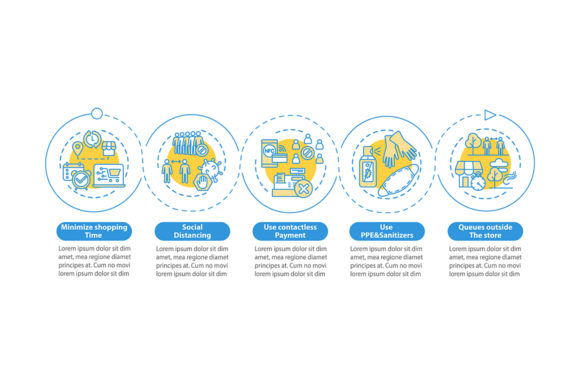
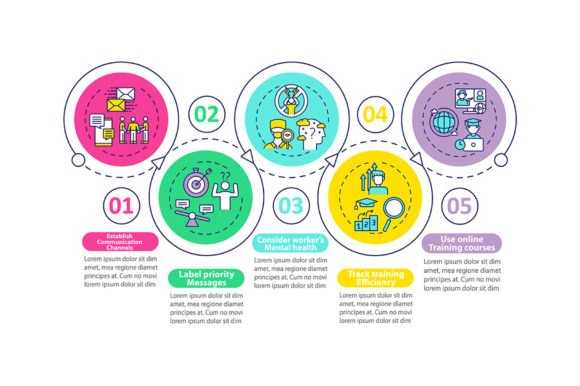
When you look at the Workspace Wellness Success Infographic, you aren't just seeing a collection of icons and charts; you are looking at a roadmap for efficiency. As someone who has spent years navigating the chaotic waters of digital marketing and brand strategy, I can tell you that clarity is the most valuable currency we have. This particular design asset takes the abstract concept of a "healthy work environment" and turns it into something tangible, structured, and actionable. It is a vector infographic template designed to bridge the gap between a cluttered idea and a clean execution. The visual personality of this template is defined by its balance—it strikes a chord between professional minimalism and engaging data visualization. It doesn't scream for attention with garish colors; rather, it commands respect through a structured workflow layout and linear icons that guide the eye naturally from one point to the next.
The aesthetic appeal lies in its versatility. Whether you are a freelancer trying to explain a complex process to a client or a small business owner mapping out a new internal protocol, the Workspace Wellness Success Infographic provides the visual grammar you need. The design elements are built on a foundation of clarity, utilizing a process timeline chart that breaks down overwhelming data into four manageable steps. This "chunking" of information is crucial for retention. When your audience sees a linear progression, their brains automatically categorize the information as a solvable sequence rather than a chaotic pile of tasks.
Deconstructing the Four-Step Data Visualization
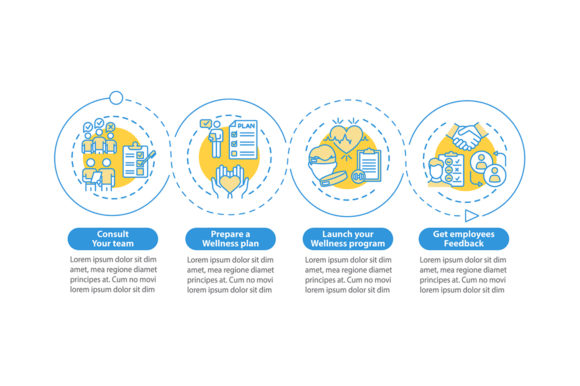
The core strength of this resource is its ability to simplify complexity. The four-step data visualization isn't just a design choice; it is a psychological tool. In my experience with editorial design and publishing, I have found that four steps hit the "sweet spot" for human memory. It is enough to cover the essential phases of a project—Consultation, Feedback, Implementation, and Review—without overwhelming the viewer. The Workspace Wellness Success Infographic leverages this by using a linear icon system that creates a visual rhythm. Each icon serves as a visual anchor, helping the reader quickly scan and grasp the content even if they don't read every word of the accompanying text.
Let's talk about the presentation design elements included in the package. You receive a ZIP file containing EPS, JPG, PNG, SVG, and AI formats. For the uninitiated, this is the holy grail of flexibility. The SVG and AI vector formats ensure that whether you are scaling this up for a massive trade show banner or shrinking it down for a mobile social media graphic, the lines remain crisp and the data visualization remains legible. This scalability is vital for maintaining brand identity across different mediums. A pixelated chart on a 4K presentation slide can instantly destroy your credibility, but this template ensures your workflow layout looks as professional on a billboard as it does on a business card.
Practical Application: From Consultation to Execution
So, how do we actually use the Workspace Wellness Success Infographic in the real world? Imagine you are a marketing agency pitching a new wellness program to a corporate client. Instead of a text-heavy PDF, you present a clean, linear timeline. The first step might represent the initial "Consultation" phase, visualized by a handshake or chat bubble icon. The second step moves to "Feedback," perhaps shown with a loop or arrow icon. This visual storytelling allows the client to mentally "walk through" the process before it even begins. It reduces anxiety because the path forward is clearly lit.
For entrepreneurs and content creators, this template is a powerhouse for social media graphics. Instagram carousels and LinkedIn infographics thrive on this type of content. You can take the four steps and dedicate one slide to each, creating a mini-tutorial that drives engagement. The Workspace Wellness Success Infographic style works exceptionally well here because its linear nature encourages the user to swipe or scroll. It creates a narrative arc. By the time they reach the final step, they have consumed a complete thought, which significantly increases the likelihood of them saving the post or sharing it with their network.
Strategic Design Choices for Brand Perception
Choosing to incorporate a resource like the Workspace Wellness Success Infographic into your toolkit says something about your brand. It signals that you value organization, transparency, and modern aesthetics. In the world of branding, consistency is king. If your blog posts feature chaotic, homemade diagrams, but your website is sleek and modern, there is a disconnect. Using a high-quality vector template aligns your internal and external communications. It tells your audience that you care about the details, which translates to trust in your services.
Furthermore, consider the adaptability of the linear icons. These aren't just decorative; they are functional design assets. You can extract these icons to use across other parts of your brand identity—perhaps as bullet points in your next PowerPoint presentation or as section dividers in your newsletter. This kind of asset recycling is a hallmark of smart, efficient design management. It ensures visual cohesion without requiring you to reinvent the wheel for every new piece of content you publish.
Final Thoughts on Workflow and Wellness
Ultimately, the Workspace Wellness Success Infographic is more than just a pretty picture; it is a functional tool for managing information flow. By utilizing a process timeline chart, you are effectively reducing the cognitive load on your audience. In a digital landscape saturated with noise, the ability to present information clearly and concisely is a competitive advantage. Whether you are using it for a client consultation, an internal workflow strategy, or a public-facing educational post, this template provides the structure you need to succeed. It reminds us that wellness in the workspace often starts with clear communication and well-organized systems.